


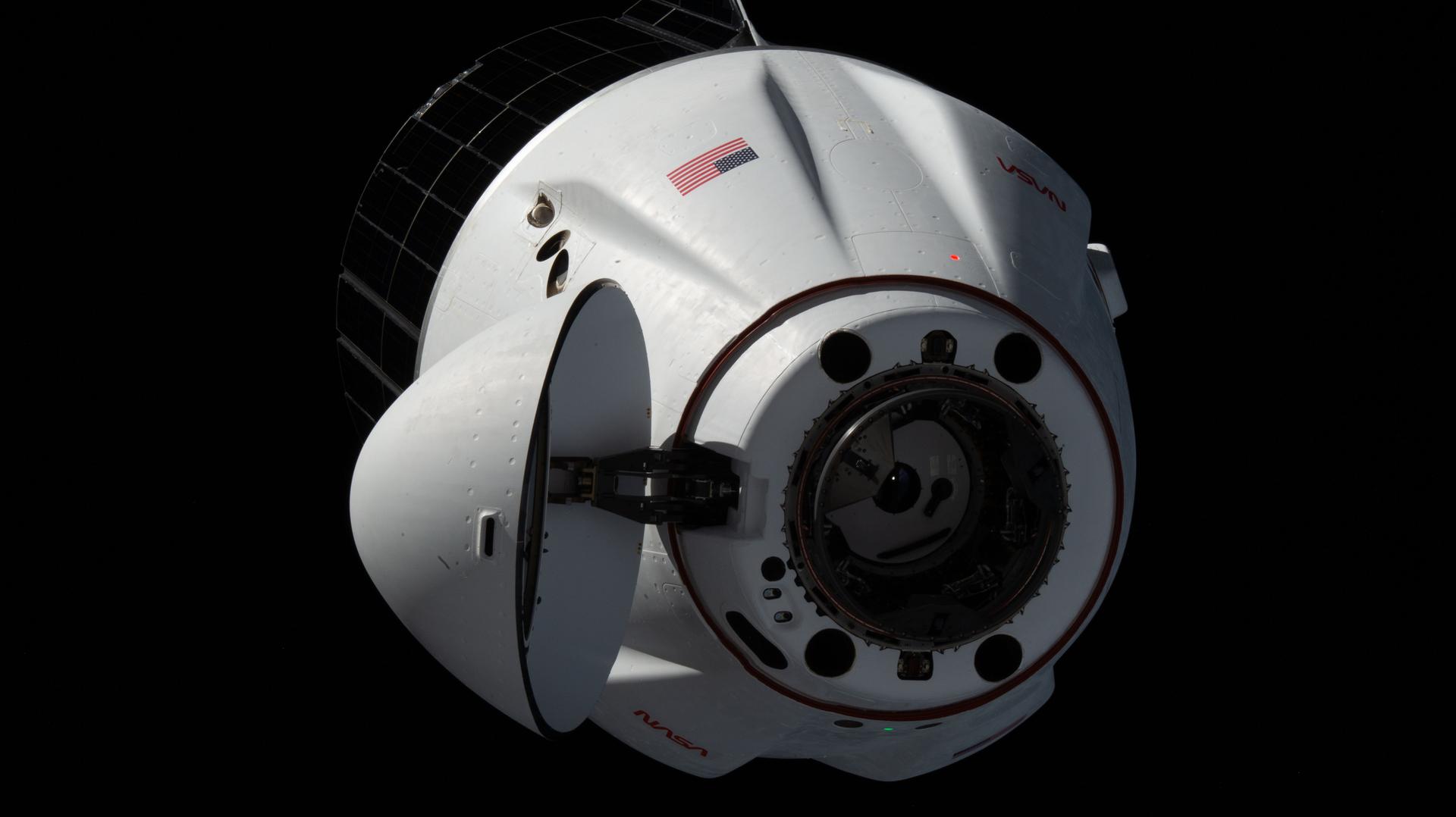


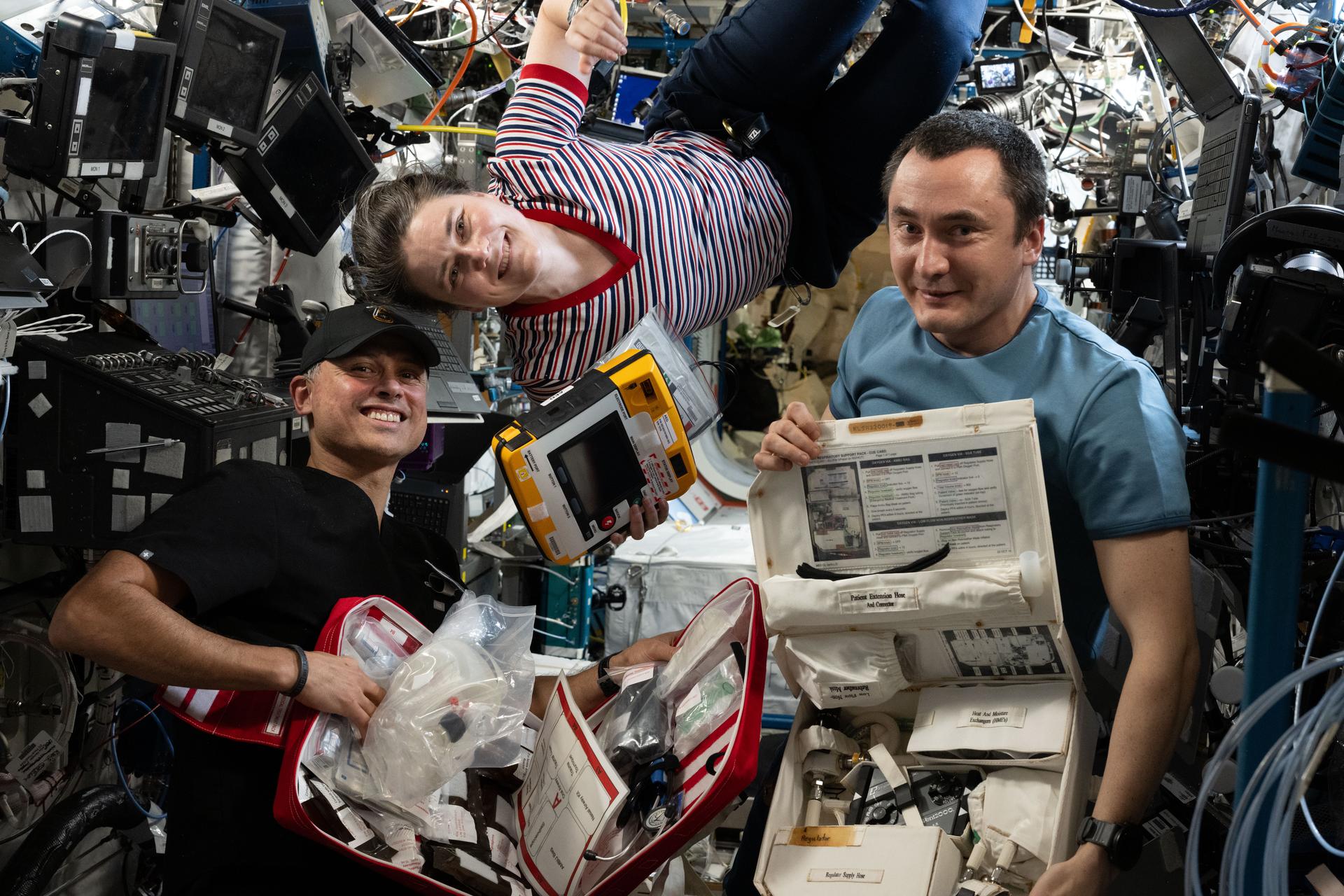
Planning crewed missions to the Moon and Mars involves preparing for the medical realities of long-duration space travel. Factors like cosmic radiation, microgravity, and distance from Earth create unique health considerations for astronauts. To anticipate these needs ahead of time, NASA developed the Integrated Medical Model (IMM).The IMM is a decision-support tool that uses medical evidence and computational modeling to forecast health risks before a mission launches.The IMM pulls from decades of flight records and clinical research compiled in NASA’s Integrated Medical Evidence Database (iMED).Using Monte Carlo simulations, the tool models thousands of potential mission paths. Each run accounts for specific mission parameters, such as crew size, flight duration, planned spacewalks, and the spacecraft environment. This approach allows planners to evaluate risks for new mission profiles that lack historical precedents.The model evaluates more than 100 medical conditions, ranging from common health concerns to hazards specific to spaceflight, like: Decompression sickness Radiation sickness Space motion sickness Smoke inhalation and barotrauma Routine conditions like infections and kidney stones The model generates several quantitative metrics to help teams prepare: Total Medical Events (TME): The projected number of illnesses or injuries during the mission. Crew Health Index (CHI): An indicator of the crew’s overall functional capacity. Quality-Adjusted Time Lost (QTL): The estimated time spent diagnosing conditions, treating patients, and recovering. Probability of Evacuation and Loss of Crew Life (EVAC / LOCL): The likelihood of a medical emergency requiring a mission abort or resulting in a fatality. Resource Utilization: Projections of which medical consumables, medications, and tools the crew will need.
Lire l'article complet ici : NASA News: NASA’s Integrated Medical Model (IMM)