

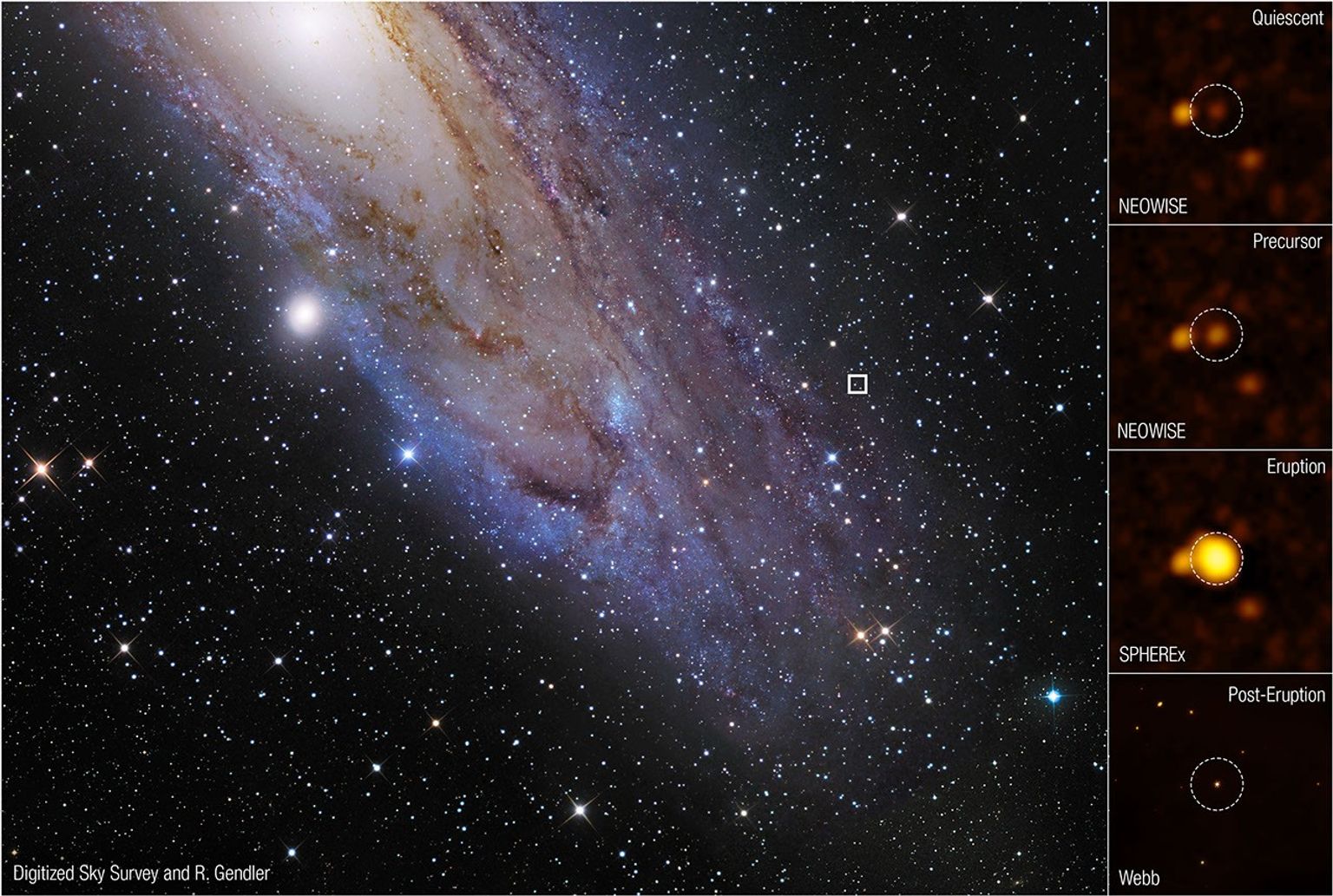


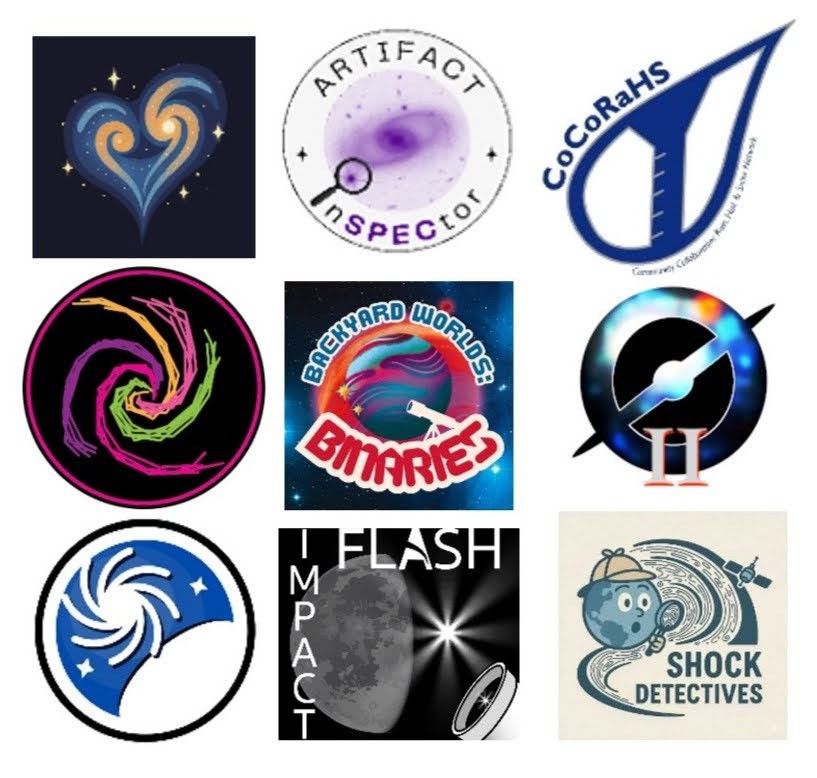
So far, 2026 has seen a flood of successes for volunteers who do NASA science, exemplifying NASA’s commitment to gold-standard science—transparent, reproducible and intrinsically collaborative. The Backyard Worlds: Planet 9 project announced that their project volunteers have now discovered most of the known brown dwarfs, celestial objects that are similar to planets. The Zooniverse platform, with grant from NASA, reached a milestone of 1 billion classifications. Several projects have come online that leverage new super intelligence (SI) techniques to amplify or extend the work of volunteers. More NASA volunteers are using SI to build their own data tools and help write scientific papers than ever before.Even with all of those achievements, our science community is already working on the next round of new volunteer projects and innovations. NASA’s Science Mission Directorate has selected nineteen proposals from research teams in 2026 that will result in new opportunities for you to do NASA science.The Citizen Science Seed Funding Program (CSSFP-25) of NASA’s Science Mission Directorate aims to support scientists and other experts to develop citizen science projects and expand the pool of professional scientists who use citizen science techniques in their science investigations. Twelve new proposals to this program were selected.“The Rogue Worlds Project: Activating volunteers to uncover the hidden population of super Jupiters with SPHEREx” led by Principal Investigator Jacqueline Faherty from the American Museum of Natural History. This project will invite you to search data from NASA’s SPHEREx (Spectro-Photometer for the History of the Universe, Epoch of Reionization and Ices Explorer) mission to find free-floating planets and brown dwarfs in clusters of young stars. The SPHEREx space observatory mapping the entire sky in near-infrared wavelengths.“Quantifying the calibrations between intrinsic galaxy merger timescales with visual pair/tidal-feature classifications” led by Principal Investigator Kameswara Bharadwaj Mantha of the University of Missouri. This project will investigate galaxy mergers, helping astronomers understand how galaxies evolve through time. You will be invited to classify realistic mock images of galaxies to help probe the statistics and dynamical evolution of galaxy mergers.“Overlap Zoo; cosmic light tables for galaxy transparency” led by Principal Investigator Benne Holwerda of the University of Louisville. Galaxies, which glow with the light of the billions of stars they contain, also contain dust. This dust is easiest to see and quantify when it overlaps, or is backlit by, another galaxy. Help spot and characterize these rare overlapping galaxy pairs to help reveal how much dust…
Lire l'article complet ici : NASA News: NASA Selects 19 New Citizen Science Proposals in 2026